Adult ADHD (attention deficit hyperactivity disorder) treatment usually combines medication (stimulant or non-stimulant), psychological therapy such as cognitive behavioural therapy (CBT), and lifestyle strategies. Treatment for ADHD starts with a proper diagnosis and is tailored to your needs and goals.
Key Takeaways
- Diagnosis comes first: An assessment by a qualified clinician checks for other explanations and shapes your treatment plan.
- Medication helps many adults: Stimulants and non-stimulants are the two main classes, and finding the right fit can take time.
- Pharmacogenetic testing may help: A saliva or blood test shows how your body processes some medicines, giving your prescriber extra information.
- Therapy and skills add to medication: ADHD-adapted CBT, coaching, and practical routines often work best alongside medication.
- Wellness supports treatment: Sleep, exercise, diet, and care for anxiety or low mood all affect how you function day to day.
What Does ADHD Look Like in Adults?
In adults, ADHD often shows up as ongoing difficulty with attention or self-regulation that affects work, relationships, and everyday organisation. ADHD begins in childhood, but some people aren’t diagnosed until adulthood. At work, you might miss instructions or lose track of time, even when you understand exactly what a task requires.
Inattention can look like forgetfulness, while hyperactivity may feel like restlessness when you need to stay seated. Impulsivity can show up in conversations, such as interrupting or answering before you’ve thought through what you want to say. These patterns are persistent and appear across different settings, not just during an unusually busy week.
Many adults also have difficulties with executive function and emotional regulation, which can affect how they plan their day or respond to frustration.
Why Does ADHD Treatment Start with a Diagnosis?
Treatment starts with an assessment by a qualified clinician because other conditions can look like ADHD or occur alongside it. The clinician considers your childhood history, how symptoms affect different areas of your life, and other possible explanations, such as sleep problems or another mental health condition. A screening questionnaire on its own can’t confirm a diagnosis or tell you which treatment will suit you.
How Does ADHD Medication Work?
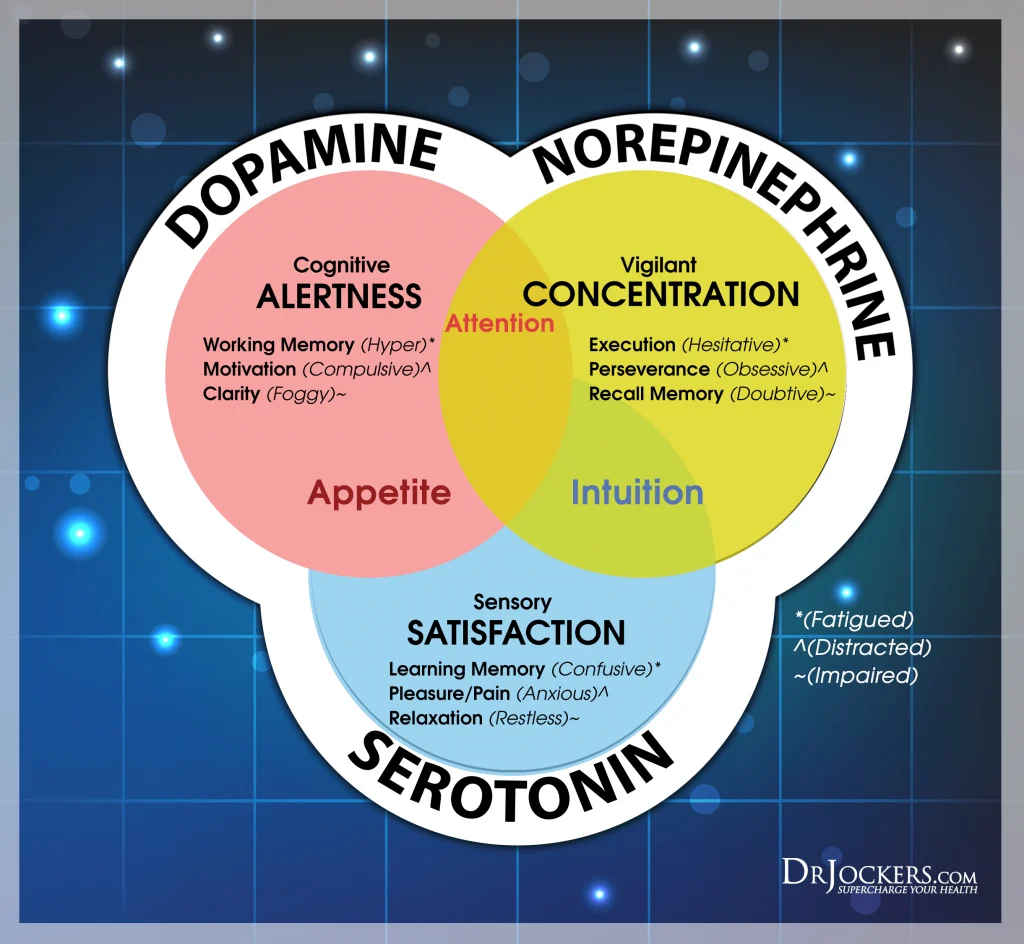
ADHD medication acts on brain chemical messengers involved in attention and impulse control, such as dopamine and noradrenaline. By adjusting this signalling, medicines can reduce core ADHD symptoms that get in the way at work or at home. Medication typically helps many adults, and the two main classes are stimulants and non-stimulants.
Stimulant and Non-Stimulant Medication
For adults whose symptoms cause significant difficulty, clinicians consider stimulant medication first when it’s medically suitable. Stimulants work by increasing the levels of dopamine and noradrenaline available in the parts of the brain that manage attention, focus, and self-control. They act quickly, often within an hour, and their effects wear off over the course of the day. Some are short-acting, and others are released slowly to last longer. Before prescribing, your doctor checks your physical health and asks about any previous treatment. Your preferences matter too, including any concerns about side effects or fitting medication into your routine.
If stimulants don’t work well, aren’t suitable, or cause troublesome side effects, your doctor may consider non-stimulant ADHD medication. Rather than producing a quick boost, non-stimulants work more gradually. Some mainly increase the availability of noradrenaline, while others act on specific receptors in the front of the brain that help regulate attention and impulses. Because they build up over time, they can take several weeks to reach their full effect, but they then tend to work steadily throughout the day.
Finding the Right Fit
Finding the right medication can take time because response and tolerability vary from person to person. Your prescriber may change the medicine or its timing if side effects affect your sleep or appetite.
Side Effects and When to Seek Help
Common side effects to discuss with your prescriber include:
- Appetite changes: Some ADHD medicines can reduce appetite and affect weight, so tell your doctor if you’re struggling to eat enough.
- Sleep disruption: Difficulty falling asleep can occur, and significant changes in sleep should be reviewed alongside how well the treatment is working.
- Physical discomfort: Headaches or an upset stomach can happen, so raise them rather than assuming you have to put up with them.
- Heart rate and blood pressure: Some medicines can affect these, which is why your doctor checks them before and during treatment.
Before starting, share your current medicines and medical history so your prescriber can check for interactions. Don’t stop or change medication without advice, as some medicines need to be reduced gradually. Seek urgent medical help for severe reactions, such as hallucinations or severe agitation, rather than waiting for a routine review.
What is Pharmacogenetic Testing, and How Can it Help?
Finding the right medication can take time because responses vary from person to person. Australian prescribing guidance recommends starting at a low dose and increasing it gradually until you reach the dose that gives the most benefit with side effects you can manage.
Your doctor may review you as often as weekly while the dose is being adjusted. Common side effects of most ADHD medicines occur in between 1% and 10% of people. If they affect your sleep or appetite, your prescriber may change the medicine or its timing.
How Genetic Differences Affect Medicines
Your body breaks down many medicines using enzymes, a process known as drug metabolism. For some medicines, genetic differences change how active these enzymes are, which can affect how much medicine stays in your body. Your prescriber can use this information to anticipate side effects or understand an unexpected response.
In ADHD care, genetic prescribing guidance currently covers specific gene and medicine pairs, not every available treatment. A result can help your prescriber choose, but it can’t confirm that a particular medicine will work best for you.
When Testing May Help
Testing may be most useful if previous medicines haven’t worked as expected or caused difficult side effects, and genetic variation could help explain why. Instead of relying on trial and error alone, your prescriber gains another piece of information. Before going ahead, ask which treatment decisions the result could influence in your situation.
What to Ask Before Testing
Every test has limits, as some rare or untested variants may not be covered. Before providing a sample, ask which genes the laboratory checks and who will explain the findings. It’s also worth confirming the cost, the expected turnaround time, and whether a separate appointment is needed to discuss the report.
What are the Options for ADHD Treatment Without Medication?
ADHD treatment without medication includes ADHD-focused CBT, skills-based therapy, coaching, and changes to your environment and routines. For many adults, these approaches work best alongside medication, addressing both core symptoms and the practical challenges of daily life.
CBT Adapted for Adult ADHD
CBT adapted for adult ADHD helps you understand the thoughts and behaviours that make everyday responsibilities harder. In therapy, you build coping skills, work on emotional responses, and practice practical ways to handle demanding situations. For example, a session might explore how expecting to fail leads you to put off an important task.
Look for a therapist who understands how ADHD affects attention and follow-through. Individual sessions focus on your circumstances, while group programmes offer support from others with similar experiences. The right format depends on what’s available and where you feel most comfortable.
The Australian ADHD guideline recommends that cognitive-behavioural therapies should be offered to adults with ADHD. The studies it reviewed showed improvements in inattention, hyperactivity and impulsivity, as well as in everyday functioning, wellbeing and quality of life. A Cochrane review of 14 randomised trials involving 700 adults also found CBT can reduce ADHD symptoms, including when added to medication. Research into how long these benefits last is ongoing.
Practical Skills and Everyday Organisation
Skills-based therapy focuses on the activities that regularly become difficult, such as organising responsibilities or finishing tasks. With a clinician, you practice strategies that build on your strengths and suit the situations you face. For example:
- Starting tasks: Break a task into small steps, then pick a first step you can start within the time you have.
- Organising commitments: Keep work deadlines and household tasks in one planner, so you can check competing demands before agreeing to something new.
- Managing belongings: Give items you often misplace a fixed home, such as a tray by the door for your keys and wallet.
- Following instructions: Ask for written steps after a verbal discussion so you have something to refer back to.
- Handling interruptions: Ask about a quieter workspace or protected focus time if constant interruptions make it harder to finish your work.
ADHD Coaching
ADHD coaching offers collaborative support with goals and strategies and may suit adults who want help putting practical systems in place. Coaching approaches and training vary, and high-quality evidence is still limited. Ask prospective coaches about their qualifications and how they’d recognise when you need to see a health professional.
Making Support Easier to Use
When exploring ADHD treatment without drugs, ask about adjustments that make it easier to take part, such as shorter written materials or appointment reminders. If a strategy isn’t working, describe exactly where it breaks down so your clinician can adapt it with you.
Can Lifestyle Changes Help Adult ADHD?
Lifestyle changes can support your wellbeing and daily functioning, although they work differently from treatments aimed at core ADHD symptoms. A holistic treatment for ADHD considers sleep, exercise, diet, and mental health alongside clinical care, without treating lifestyle changes as a replacement for medication.
Prioritising Sleep
Sleep deserves priority because poor sleep makes concentration harder and can intensify ADHD symptoms. Tell your clinician about any trouble settling at night and how alert you feel during the day. Persistent problems may need assessment for a sleep condition, such as obstructive sleep apnoea.
Before your appointment, note your usual bedtime and wake time, any long periods awake overnight, and when the problem started. Your clinician can then suggest sleep strategies or a referral based on the likely cause.
Making Exercise Manageable
Regular physical activity supports your general health and can lift your mood. Many people also find it helps with restlessness, focus, and sleep. There’s no single type of exercise that suits everyone with ADHD, so the best choice is one you’ll actually keep doing.
Because ADHD can make planning and organisation harder, routines with lots of steps are often the first to fall away. An activity that means booking ahead, packing gear, and driving across town gives you several chances to lose momentum. A simpler option, such as a walk around your neighbourhood or a short workout at home, removes many of those barriers.
Pairing exercise with something you already do, like walking after lunch, can also make it easier to build a habit. If something keeps getting in the way, mention it to your clinician so you can work out a more realistic plan together.
Supporting Regular, Balanced Meals
A balanced eating pattern supports overall health, and nutrition becomes part of ADHD care when eating regularly is difficult. If shopping or cooking often feels overwhelming, describe where the process breaks down. Simple changes, such as keeping easy meal ingredients on hand, can help, and a dietitian can give personalised advice.
Addressing Anxiety and Low Mood
Anxiety and depression often occur alongside adult ADHD, and each may need attention in your treatment plan. If ongoing worry or low mood is affecting your life, tell your clinician how long it has lasted and how it affects you. Your treatment order should reflect which concern is causing the most difficulty, along with any safety concerns that need prompt attention.
How is Childhood ADHD Treatment Different?
Childhood ADHD treatment relies more on support from parents and teachers at home and at school. Parent or family programmes teach ADHD-specific strategies, and agreed school adjustments help with the learning demands a child finds hardest. When children take medication, parents or carers oversee it, and clinicians monitor growth along with responses and side effects.
As an adult, you lead your own treatment. You make the decisions with your doctor, and the focus is on managing work, relationships, and daily life. Partners or family members can still be involved, but only as much as you’d like them to be.
For teenagers moving from child to adult health services, planning ahead matters. A planned transition, where both services share information and the young person is part of the decisions, helps avoid gaps in treatment during the move.
What Emerging ADHD Treatments are Being Researched?
Researchers are studying several brain-based approaches for ADHD, including magnetic stimulation, electrical stimulation, and neurofeedback. These are growing areas of interest, particularly for people looking for options beyond medication. None of them is an established ADHD treatment yet, and Neuralia doesn’t currently offer TMS for ADHD.
- Transcranial magnetic stimulation: TMS uses magnetic pulses from a coil held against the head to stimulate specific brain regions. It’s already a well-established, non-invasive treatment for depression, and researchers are now exploring possible uses in ADHD by targeting areas at the front of the brain involved in attention, planning, and impulse control. Early studies are building the foundation, and larger, longer-term trials will help clarify its role. TMS isn’t suitable for people with epilepsy or a history of seizures or with ferrous metal implants in the head or neck, as outlined in our guide to TMS side effects and risks.
- Transcranial direct current stimulation (tDCS): A mild electrical current delivered through scalp electrodes aims to influence brain activity linked to attention and executive function. It’s gentle, non-invasive, and already used for other conditions, such as depression. Researchers are now working to standardise methods and run longer studies to understand how it may help with ADHD.
- Neurofeedback: Real-time feedback from brain activity recordings, such as electroencephalography (EEG), helps people practice regulating that activity. Research is ongoing, but current evidence from blinded assessments doesn’t yet support using neurofeedback on its own as an ADHD treatment.
How Do You Build an ADHD Treatment Plan?
There’s no single treatment for ADHD that suits everyone, so build your plan around the daily difficulties that matter most to you and the outcomes you want to work towards. When discussing ADHD treatment options with your clinician, identify which problems affect you most and which supports suit your preferences. A useful goal might be completing a regular work task on time or managing household commitments with fewer missed steps.
Choosing a Treatment Order
The order of treatment depends on your needs and what you can access, and there’s no need to start everything at once. If symptoms make it hard to engage with therapy, your doctor may suggest starting with medication so that later psychological work is easier.
Planning Around Access and Costs
For ADHD treatment in Australia, costs and waiting times can affect which appointments you can keep up with. Before committing, ask about fees and wait times, and factor in travel and time away from work. Aboriginal and Torres Strait Islander people should have access to culturally safe care that shapes how support is planned and delivered.
Questions to Ask Your Doctor
These questions can help when you talk with your general practitioner (GP) or treating doctor:
- Purpose: Which difficulty will this treatment address, and what changes should I look for day to day?
- Review timing: When will we review progress, and how will we decide whether to wait longer or adjust the plan?
- Monitoring: What should I track between appointments, and which side effects mean I should contact you sooner?
- Coordination: If several professionals are involved, who brings their advice together and keeps my plan up to date?
Tracking Progress Between Appointments
Changes from ADHD treatment can be gradual and easy to miss, so keeping brief notes between appointments gives you and your clinician a clearer picture of what’s working. A few lines a week in a notebook or phone app are enough. Useful things to note include:
- How your symptoms feel overall, such as a simple rating out of 10 for focus or restlessness
- Practical wins, like meeting a work deadline or keeping up with a household task
- Side effects or changes in sleep and appetite
- Times when the plan was hard to stick to, and why
Bring these notes to your next appointment. They help your clinician see not just whether treatment is helping, but whether it fits realistically into your life.
Speak With Your Doctor About Your Options
Your GP or treating doctor is the best starting point for working out which ADHD treatment options suit your circumstances and priorities. If you’d like to know more about pharmacogenetic testing, you can also get in touch with our team.
Disclaimer: This article is general information only and isn’t a substitute for personal medical advice. Speak with your GP or treating doctor about advice and treatment that suit your individual circumstances.
Adult ADHD Treatment Options FAQs
What is the Most Effective Treatment for Adult ADHD?
Of all the options, medication has the strongest evidence as a treatment for ADHD symptoms, and clinicians consider stimulants first when medication is appropriate. CBT may also reduce symptoms, with some added benefit when combined with medication. Many adults do best with a combination tailored to their needs.
Can ADHD Be Treated Without Medication?
Yes, in some cases. Treatment without medication may suit people who prefer that approach or can’t tolerate a suitable medicine. Options include ADHD-adapted CBT, skills-based support, and environmental changes, although these aren’t automatically equal substitutes for medication.
How Long Does ADHD Medication Take to Work?
Stimulants typically start working soon after you take them, while some non-stimulants take several weeks to show a noticeable benefit. Your prescriber should explain the expected timeframe for your medicine and when they’ll review your response.
Does Pharmacogenetic Testing Work for ADHD Medication?
Pharmacogenetic testing can inform some prescribing decisions where there’s evidence for a relevant gene and medicine link. It doesn’t replace monitoring how you actually respond, and it can’t promise that a particular medicine will suit you.
Can TMS Help ADHD?
TMS for ADHD is still being researched, and more long-term studies are needed before its role is clear. Neuralia doesn’t currently offer TMS for ADHD.
Back to Top: Adult ADHD Treatment Options: A Complete Guide (Australia, 2026)