

Complex PTSD (C-PTSD) vs. PTSD: Recognising and Treating Complex Trauma
https://www.neuraliatms.com.au/wp-content/uploads/Where-TMS-Fits-as-a-Treatment-Option-Complex-PTSD-Treatment.png
1500
1000
Neuralia TMS
//www.neuraliatms.com.au/wp-content/uploads/2023/02/neuralia-tms-colour-wide.svg
TMS Treatment for Parkinson’s Disease
Parkinson’s Disease is a degenerative neurological disorder that affects the motor system of the body. It is characterised by a reduction in dopamine production, which can lead to tremors, rigidity, and difficulty with movement and coordination. In addition, those with Parkinson’s Disease may also experience an array of non-motor symptoms such as constipation, sleep issues, and issues with speech. It is estimated that more than 10 million people worldwide are living with Parkinson’s Disease, and the incidence increases with age.

What causes Parkinson’s Disease?
The cause of Parkinson’s Disease is not yet known, but it is believed to be a combination of genetic and environmental factors. Currently, there is no cure for the disorder, but treatments can help reduce the symptoms and improve quality of life. Medications may be prescribed to increase dopamine levels or to modify the effects of other neurotransmitters, while physical and occupational therapy may help with rigidity, balance, and coordination. Additionally, many studies suggest that a combination of exercise and diet may have beneficial effects on those living with Parkinson’s Disease.
Recognising Parkinson’s Disease Symptoms
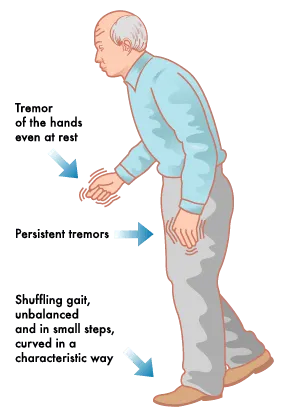
Approximately 15,000 Australians are diagnosed with Parkinson’s disease every year, and currently, more than 100,000 individuals are living with the condition in the country. Recognising the symptoms of Parkinson’s disease is essential for early detection and treatment. The primary symptoms of this progressive neurological disorder include tremors, bradykinesia or slowness of movement, rigidity in the limbs and trunk, and postural instability or impaired balance.
In the early stages of Parkinson’s disease, these symptoms might go unnoticed as they tend to be mild. Tremors usually begin on one side of the body and may initially be observed as shaking hands or fingers when at rest. Slowness of movement may manifest as a reduced arm swing, shuffling gait or difficulty initiating movements. Rigidity affects muscles leading to stiffness and a decreased range of motion, commonly accompanied by muscle pain or discomfort. Postural instability gradually develops as the disease progresses, causing challenges in maintaining balance while standing or walking.
Early detection of Parkinson’s disease is critical in managing symptoms and improving quality of life. If you notice any of these signs yourself or in a loved one, it is crucial to consult a healthcare professional for proper evaluation and diagnosis. While there is no cure for Parkinson’s yet, with timely intervention and a combination of medications, exercise therapy and support from healthcare professionals and treatments like TMS therapy, individuals can lead an active life despite the challenges posed by this condition.
TMS for Parkinson’s Disease Treatment
Transcranial Magnetic Stimulation (TMS) has emerged as a promising, non-invasive treatment for Parkinson’s disease. This innovative therapy focuses on leveraging magnetic fields to stimulate specific areas of the brain responsible for motor function, thereby alleviating the symptoms commonly associated with Parkinson’s. Patients who undergo TMS may experience significant improvements in tremors, balance, and overall mobility, allowing them to regain a sense of independence and enjoy a better quality of life.
Though TMS is still relatively new to the field of treating Parkinson’s disease, initial studies have demonstrated its potential effectiveness. By targeting the affected neural circuits underlying motor dysfunction, this stimulation therapy may help reset brain functions that have been compromised due to Parkinson’s. With continued advancements in technology and further research into TMS’s potential applications, it is hoped that this non-invasive treatment will become an integral part of comprehensive care for individuals with Parkinson’s disease, providing much-needed relief and improved motor capabilities.
Which type of TMS is for Parkinson’s Disease treatment?
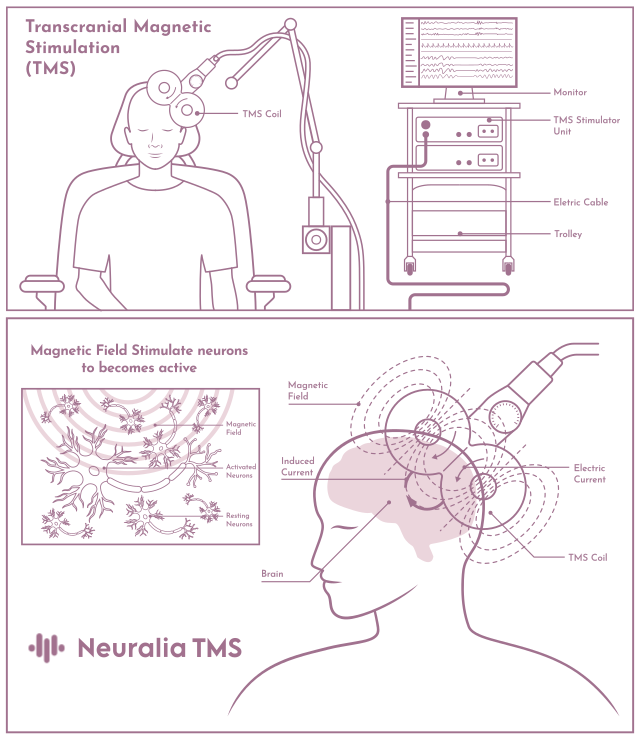
Repetitive TMS (rTMS) being the most common type of TMS treatment option for Parkinson’s Disease. rTMS is a non-invasive form of brain stimulation that uses magnetic fields to generate small electric currents in the targeted brain area. In Parkinson’s Disease, rTMS is primarily focused on the motor cortex and supplementary motor areas, modulating the neuronal activity and resulting in potential improvement of motor symptoms.
The typical protocol for rTMS involves delivering repeated, high-frequency pulses over a series of sessions that can span weeks or even months. While the precise mechanism underlying the therapeutic effects of rTMS in Parkinson’s Disease remains unclear, its benefits are thought to be due to the modulation of abnormal brain activity and promotion of neuroplasticity.
What happens during TMS Treatment for Parkinson’s Disease?
click on the image to enlarge
TMS is done using a special machine which has a magnetic coil attached to a mechanical ‘arm’. This allows for an electromagnetic pulse to be delivered to a precise region in the brain. While receiving TMS, the patient is seated in a comfortable reclined position. The TMS coil is placed above the patient’s head at the correct position.
During the first treatment session, the patient’s individual stimulation dose (ie. the amount of energy required to stimulate the patient’s brain cells) will be determined. This is a unique dose and must be determined for each individual patient. This dose may be rechecked during the treatment course to ensure patients are getting the correct stimulation level.
Once the correct placement and stimulation dose have been determined, the TMS machine will deliver precise impulses to a small section of the brain.
After the treatment session, patients are immediately able to drive and resume normal activities. No medications are given, and patients are completely awake during the whole process.
Dr Shanek Wick – Author Bio
Dr. Shanek Wick, a distinguished Fellow of the Royal Australian and New Zealand College of Psychiatrists, specialises in holistic mental health care with a focus on interventional psychiatry, neurostimulation, and addiction.
Why Neuralia TMS

Lead by Psychiatrists

Next Day Consults Available

Evidence-based, individualised treatment programs

Medicare rebates available
TMS and Parkinson’s Disease Resources

PTSD Treatment in Perth: Your Options Explained
https://www.neuraliatms.com.au/wp-content/uploads/Psychological-Therapy-for-PTSD-Treatment-Perth.png
1500
1000
Neuralia TMS
//www.neuraliatms.com.au/wp-content/uploads/2023/02/neuralia-tms-colour-wide.svg
PTSD Treatment in Perth: Your Options Explained

MDMA-Assisted Therapy for PTSD: What the Evidence Shows
https://www.neuraliatms.com.au/wp-content/uploads/MDMA-Assisted-Therapy-for-PTSD-What-the-Evidence-Shows.png
1500
1000
Neuralia TMS
//www.neuraliatms.com.au/wp-content/uploads/2023/02/neuralia-tms-colour-wide.svg
MDMA-Assisted Therapy for PTSD: What the Evidence Shows

TMS vs. Antidepressants: Which Treatment Is Right for You?
https://www.neuraliatms.com.au/wp-content/uploads/TMS-vs-Antidepressants-Which-Treatment-Is-Right-for-You.png
1500
1000
Neuralia TMS
//www.neuraliatms.com.au/wp-content/uploads/2023/02/neuralia-tms-colour-wide.svg
Reviews
Punya Singh
“TMS for Parkinsons Disease”
I had a remarkable experience at Neuralia TMS under the care of Dr. Wick and their dedicated team of staff. The staff here truly go above and beyond to make you feel comfortable and at ease throughout your journey.
Vinura G
“TMS for Parkinsons Disease”
I recently had the opportunity to visit Neuralia TMS, and I must say that my experience was nothing short of exceptional. From the moment I walked through the doors, I could sense a warm and welcoming atmosphere, which immediately put me at ease.
Sonya S
“TMS for Parkinsons Disease”
I must say Dr Shanek is one of the kindest, most humble psychiatrist I have ever met. I am so grateful to have received TMS treatment and I am impressed by the changes I have had in my mood status. Highly recommend Dr Shanek to anyone looking for an excellent Psychiatrist.
James Mons
“TMS for Parkinsons Disease”
Dr. Shanek Wick has been absolutely fantastic to work with and came highly recommended to me via my GP. I’ve been referring people to Neuralia TMS ever since. I definitely had some hesitations prior to commencing this journey, but I felt very reassured, and most importantly, I felt heard.